
Look up, marvel at the ephemeral beauty,
and live life with your head in the clouds.
welcome to the cloud appreciation society!
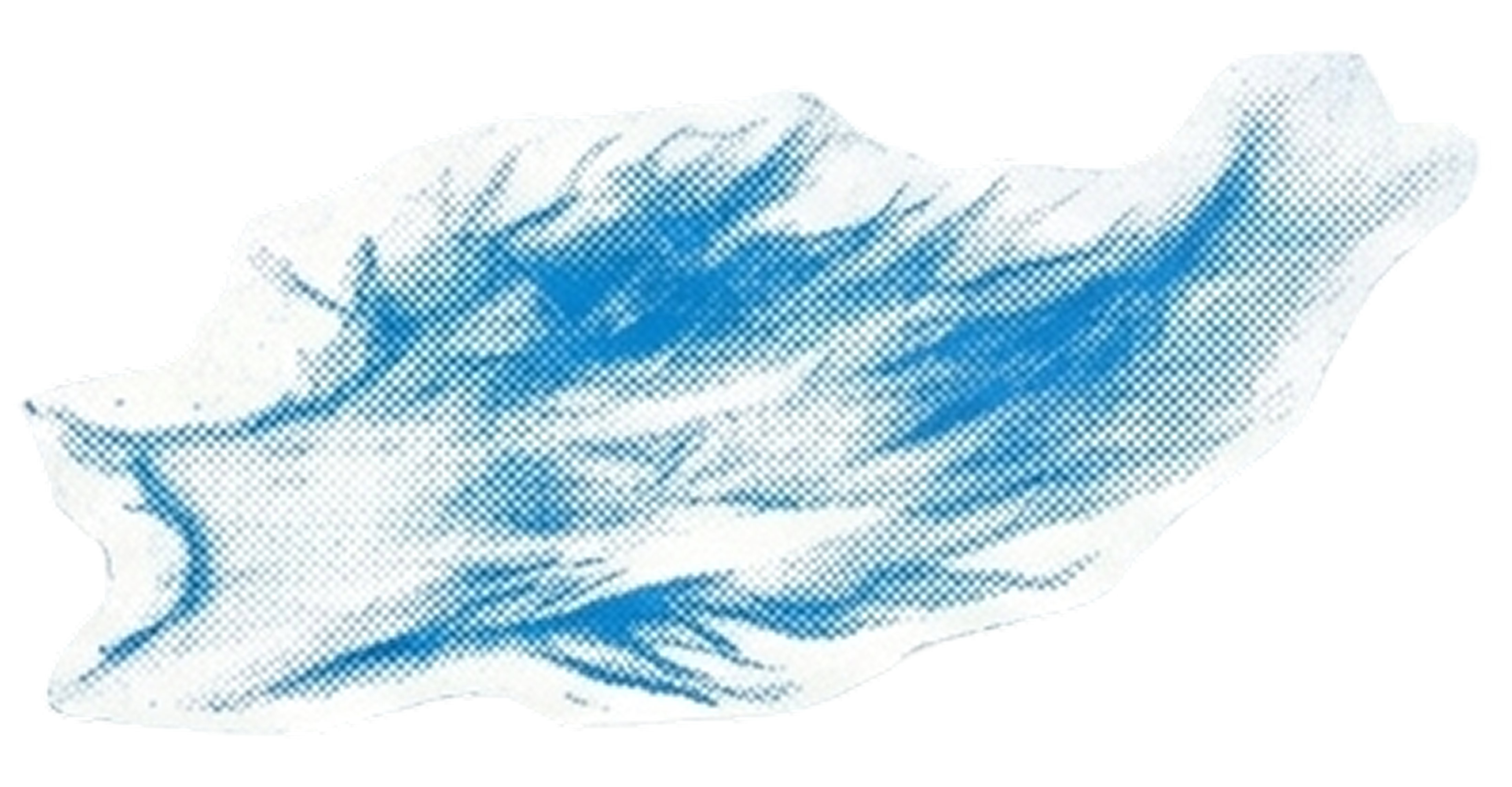
The High Clouds
“Cirrus clouds don't take it serious” — Jim Baruffi
Far above the everyday weather, in the realm where temperatures plummet below -40°C and water exists only as ice, the high clouds make their home. These wispy formations drift at altitudes where commercial jets cruise, painting the sky with delicate brushstrokes of frozen crystals.
The high clouds—cirrus, cirrocumulus, and cirrostratus—are the first to catch the morning light and the last to release the evening glow. They're the advance messengers of weather fronts, often arriving a day or more before the rain they herald.
The Middle Clouds
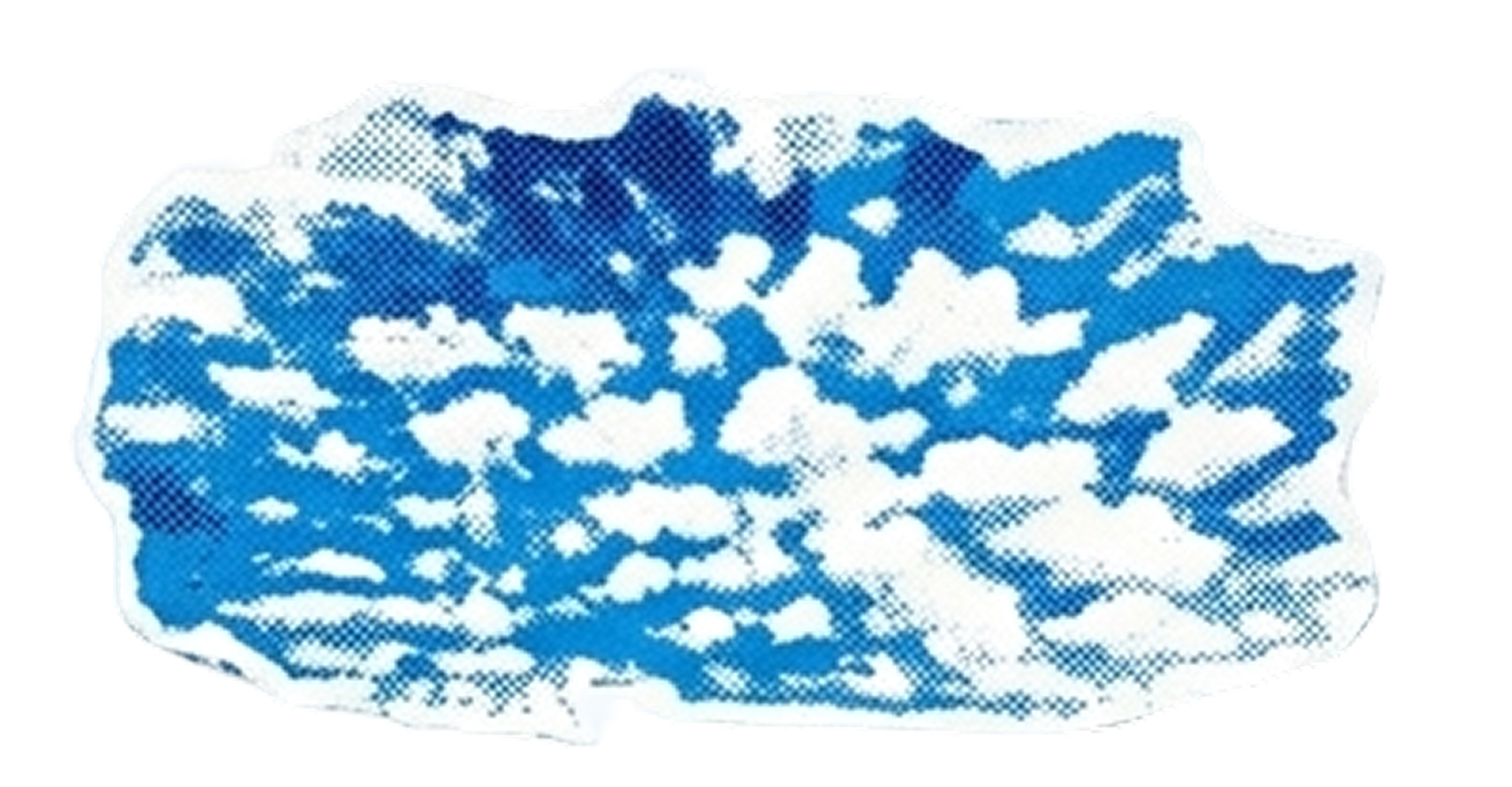
“Mackerel sky, mackerel sky, never long wet, never long dry” — Traditional weather saying
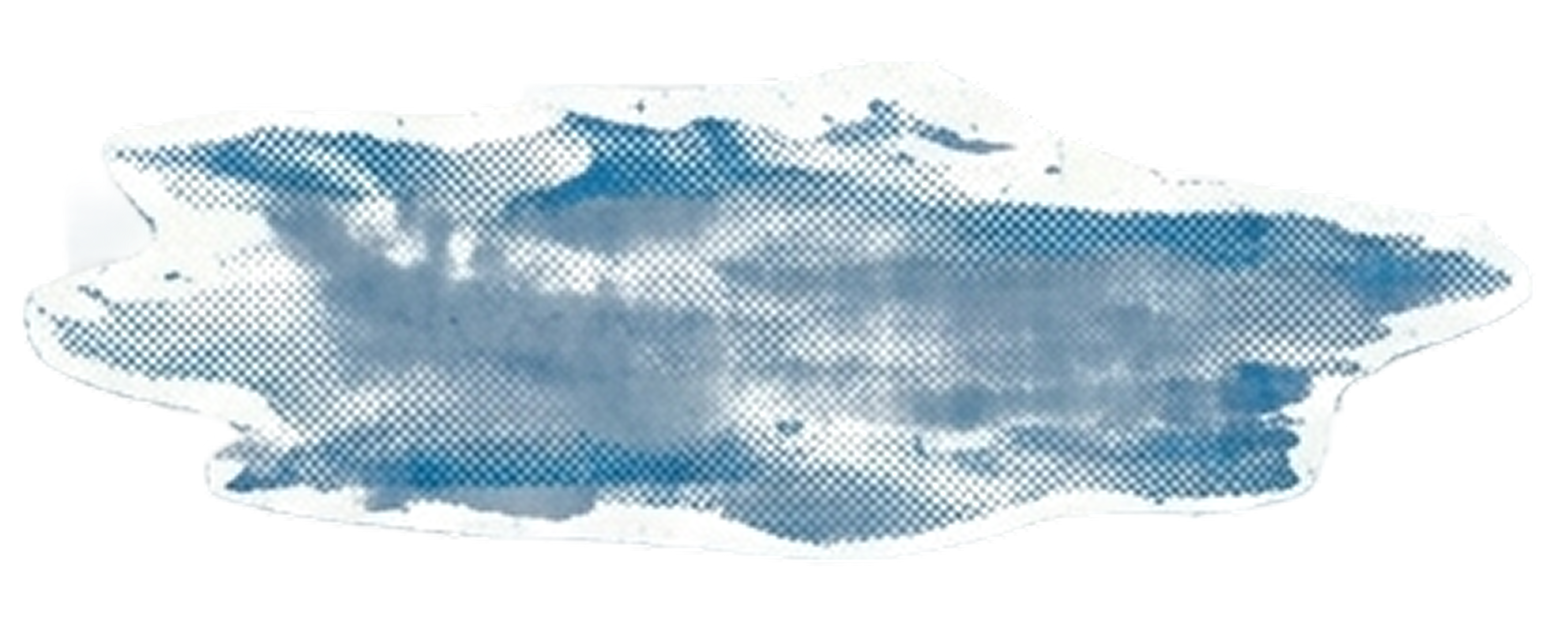
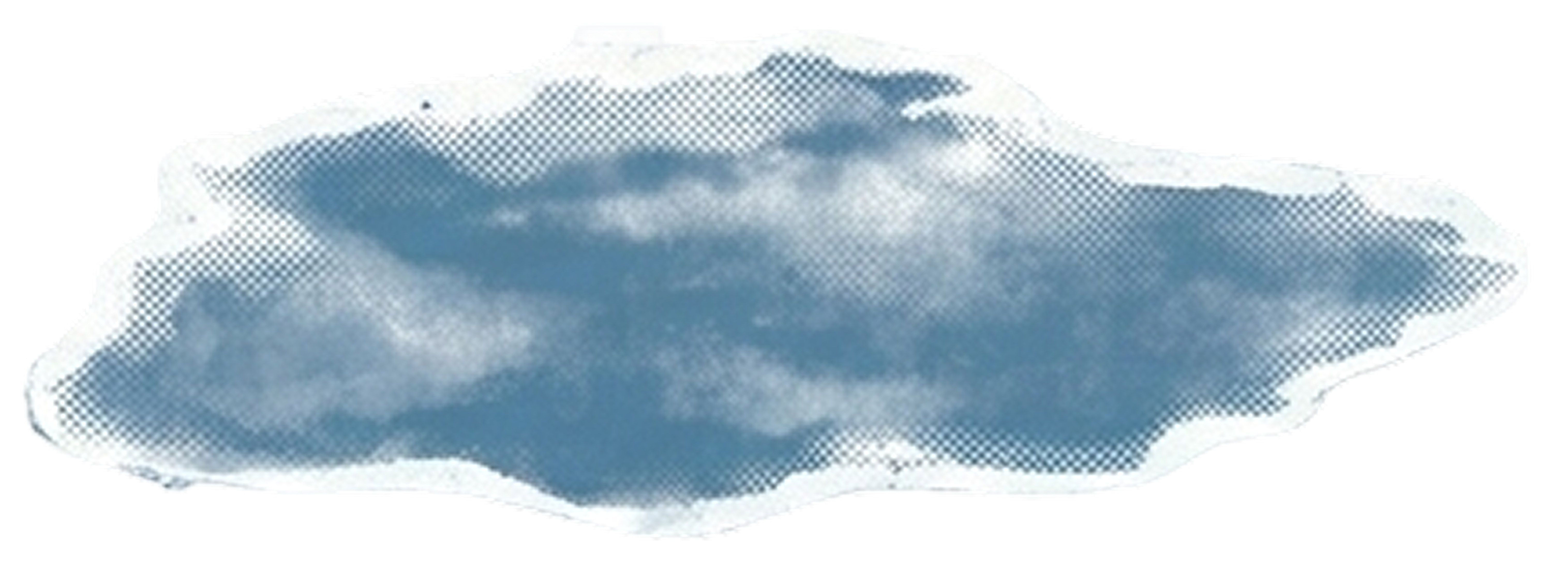
The middle clouds occupy the atmospheric layer between roughly 6,500 and 20,000 feet—too high to touch from a hilltop, too low to be made entirely of ice. This is the transition zone, where water droplets and ice crystals coexist in various combinations.
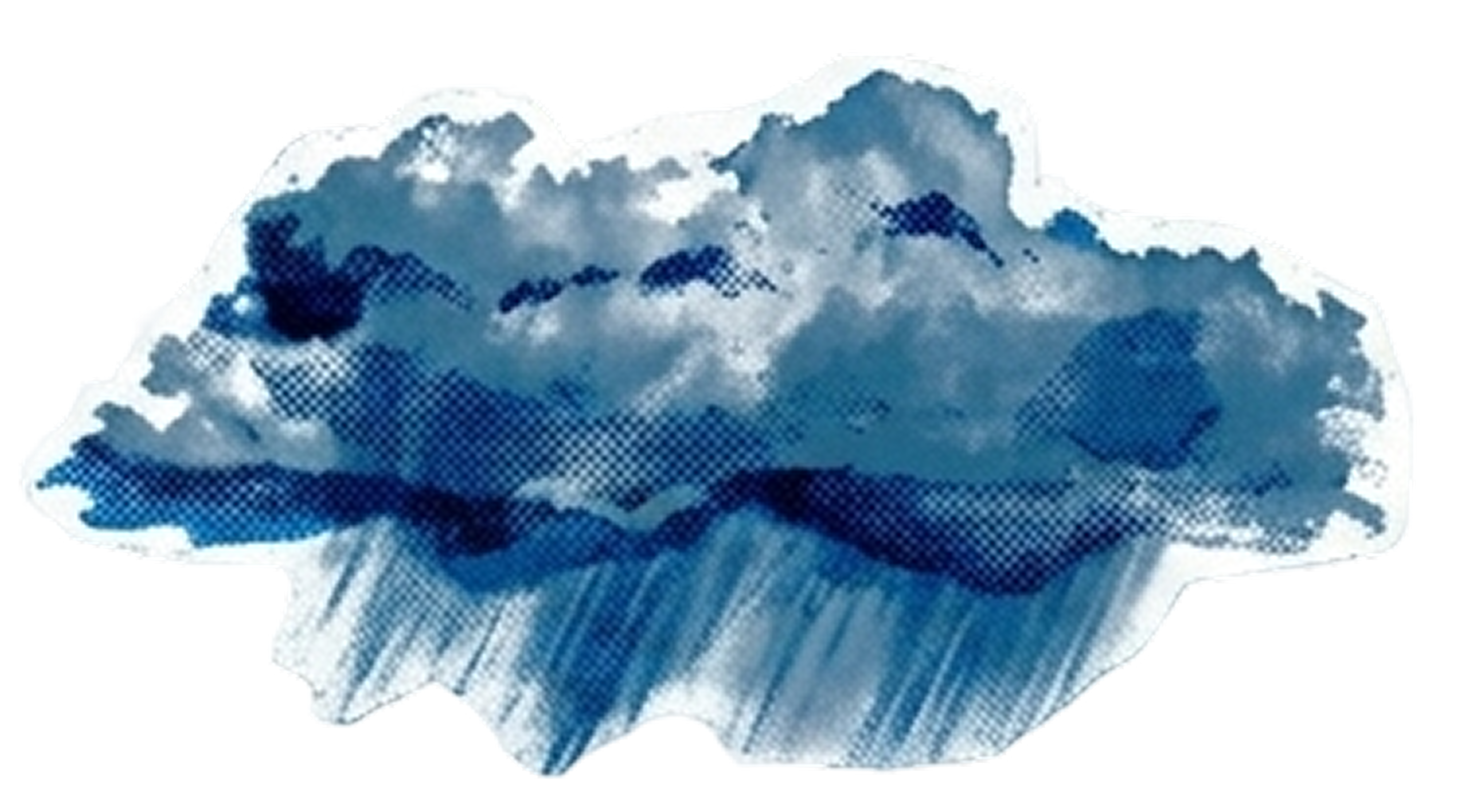
Altocumulus, altostratus, and nimbostratus inhabit this middle kingdom. They're often the clouds of change, marking the shift from fair weather to foul, or the slow clearing after a storm has passed through.
The Low Clouds
“I wandered lonely as a cloud that floats on high o'er vales and hills” — William Wordsworth
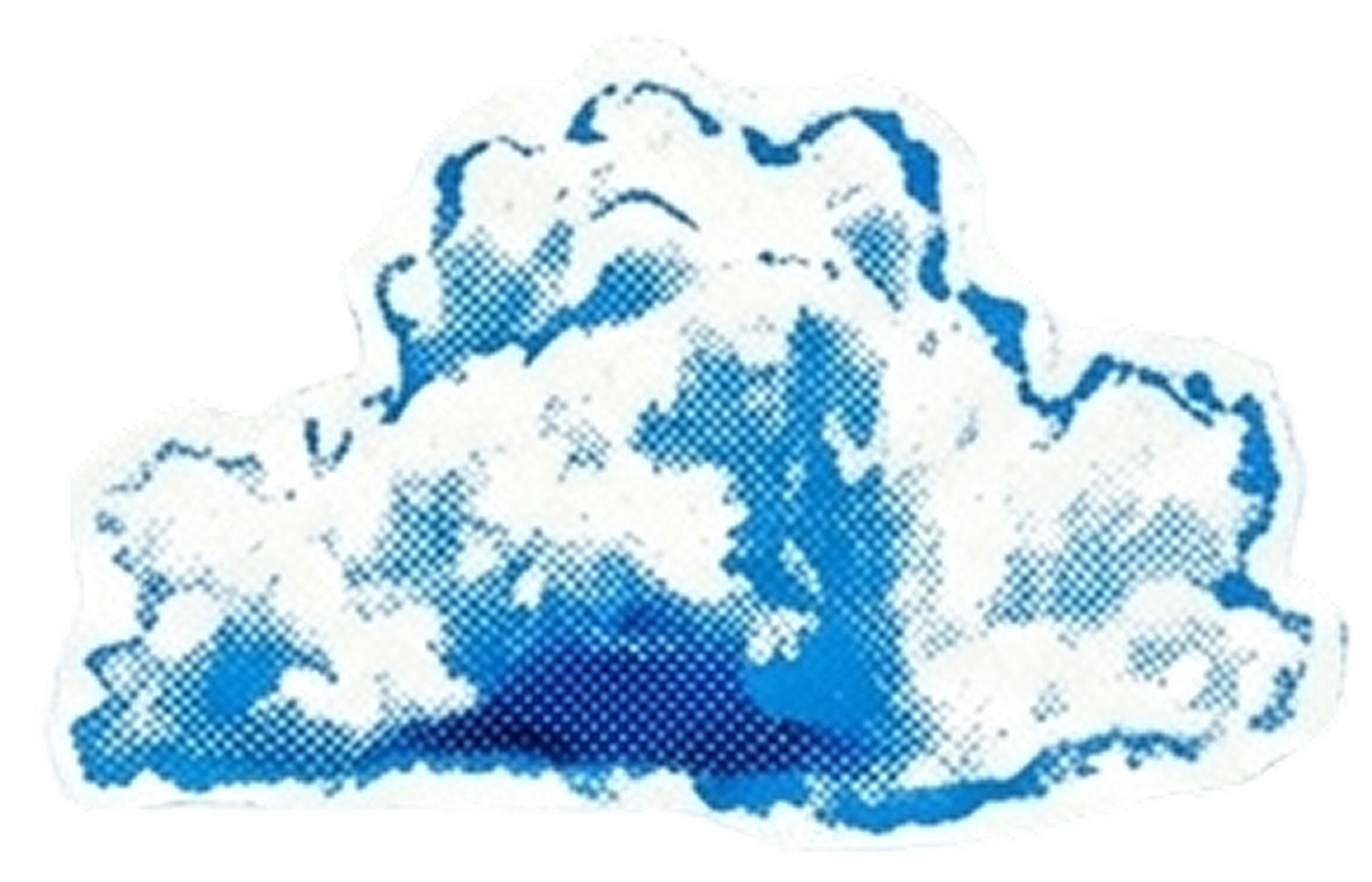
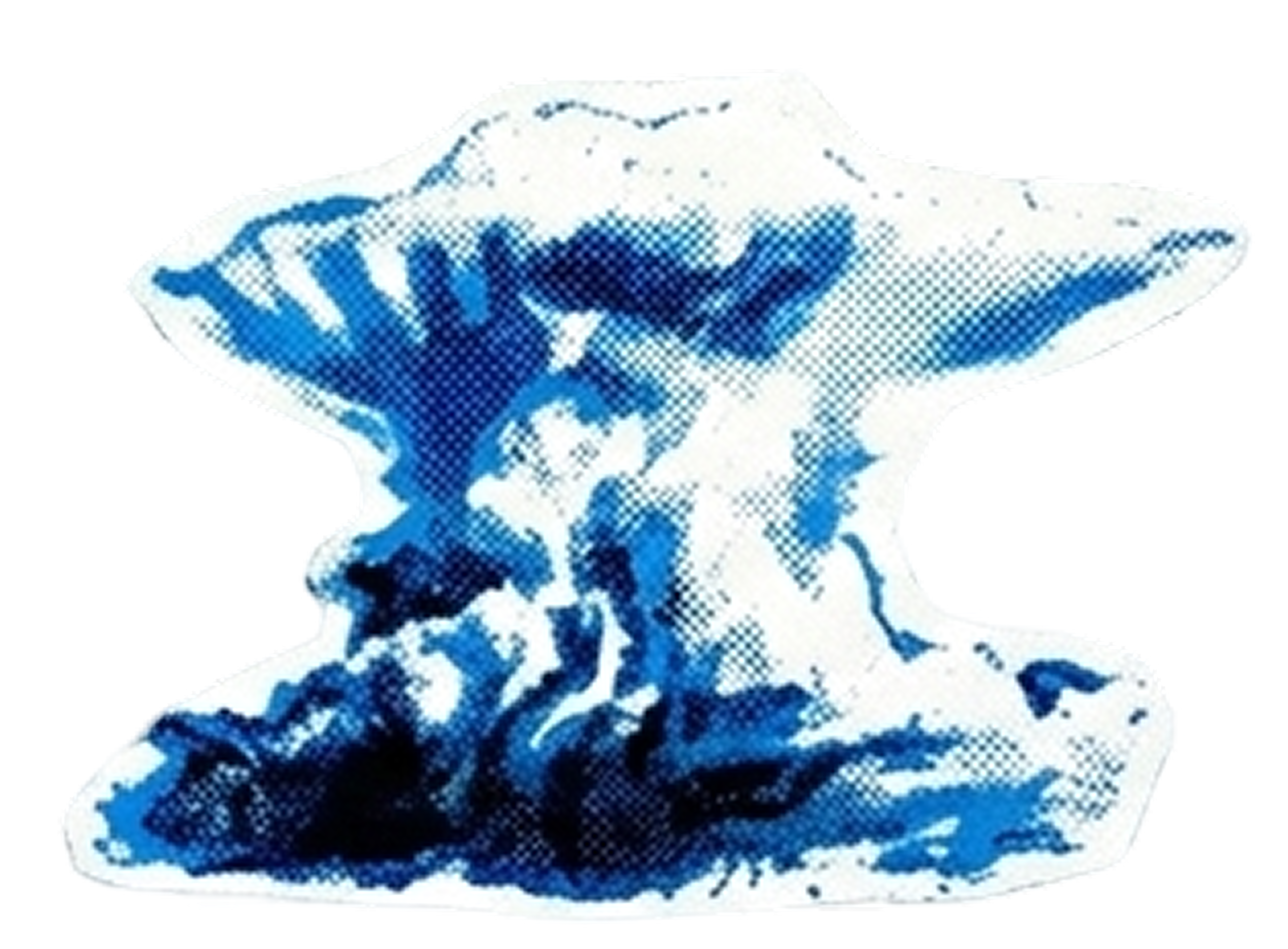
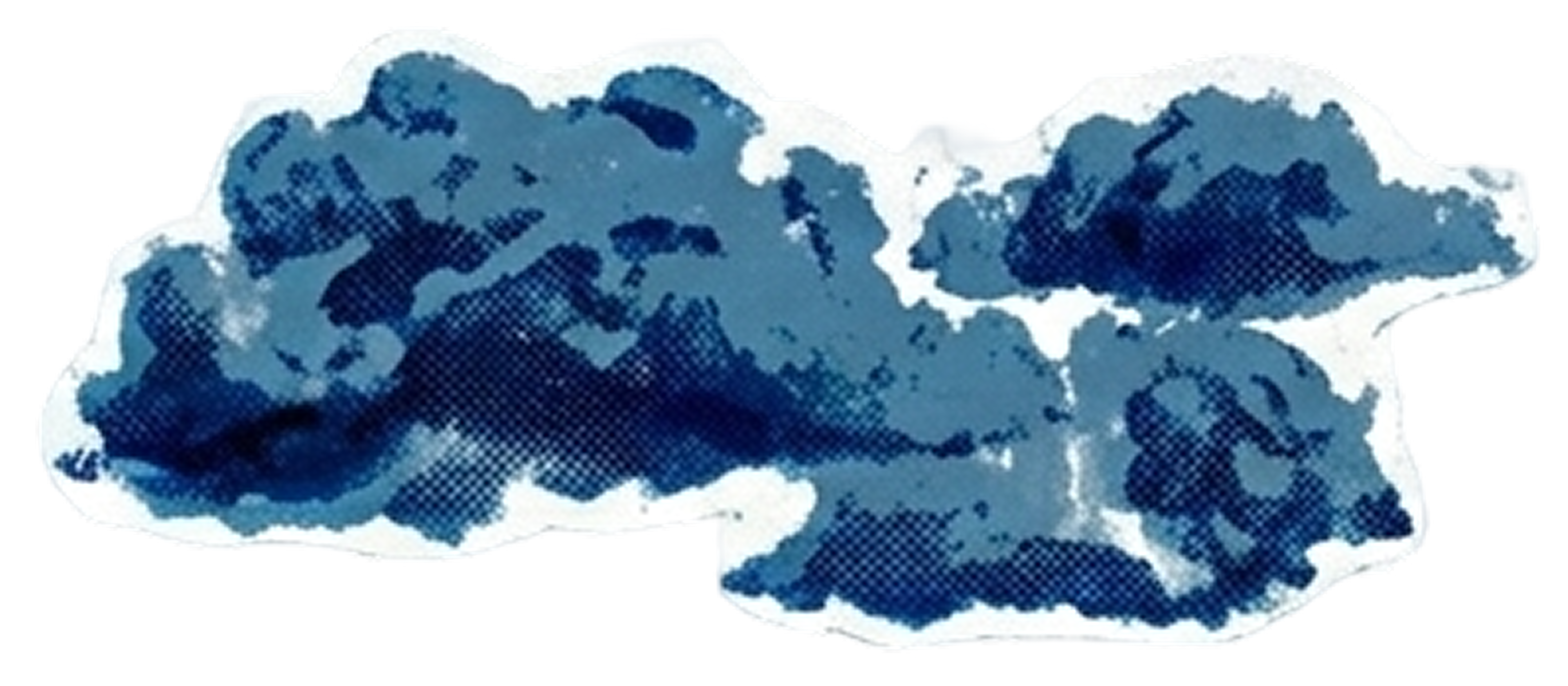
The low clouds are the familiar ones, the clouds we feel we could almost reach up and touch. They hug the landscape, drape over hillsides, and bring us our daily weather in all its variety—from gentle cumulus puffs to the grey blanket of stratus to the towering drama of cumulonimbus.
These are the clouds of immediate experience. They cast shadows we can watch racing across fields. They build and dissolve in ways we can track with our eyes. They're the clouds that feel like neighbours.
Other Interesting Clouds
“The sky is the daily bread of the eyes” — Ralph Waldo Emerson
Beyond the standard classifications, the atmosphere occasionally produces formations that seem to belong in dreams rather than meteorological textbooks. Rolling tubes of cloud that can be surfed by glider pilots. Lens-shaped hoverers that get reported as UFOs. The linear signatures of human flight.
These are the clouds that make even seasoned cloudspotters stop and stare, the ones that remind us the sky still has surprises.